
Your Ultimate Guide to the World’s Best Music Festivals in 2025
Tired of the same old nightclub scene where you can only see one or two bands? Music festivals gather dozens of acts across multiple stages, turning an entire weekend into a nonstop audio adventure. You camp under the stars with thousands of strangers who share your taste, creating instant community over a shared favorite song. The payoff is discovering your next obsession while the bass thrums right through your chest—an unmatched sensory experience no single concert can replicate.
How to Pick the Right Event for Your Vibe

You know that moment when you’re standing in a field, a bassline rattling your ribs, and you realize everyone around you is exactly as lost in the groove as you are? That’s the feeling you’re chasing. To get it, start with genre focus: a jam-band campout attracts a different tribe than a hard techno warehouse. Next, scan the lineup for artist depth—not just the headliner, but the undercard. If you crave eclectic discovery, a multi-stage festival with a crossover bill is your playground. For intimacy, a boutique event with a single stage and curated vibes lets you connect deeper with the music and the crowd. Finally, read attendee reviews for words like “chill,” “dusty,” or “party-centric.” That language will tell you if the energy matches your own rhythm.
What to Look for in the Lineup and Genre Diversity
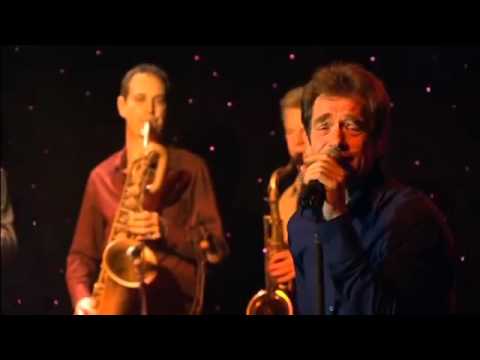
Examine the daily schedule for genre diversity across stages to ensure musical flow matches your energy. A single-genre lineup risks monotony; look for curated blocks that let you oscillate between high-tempo sets and downtempo recovery acts. Check if headliners are flanked by complementary supporting artists, ensuring no dead zones. If you crave surprise, seek events with niche subgenres or international acts woven into the main roster, as they prevent repetitive soundscapes. Prioritize lineups where the genre range supports your preferred mood arc—from euphoric peaks to ambient valleys—without forcing abrupt transitions.
Seek a lineup with varied genres across stages, matched to your desired energy arc, to maintain engagement and avoid sonic fatigue.
Checking the Venue Size, Location, and Camping Options
First, check if the venue size matches your crew’s energy. A massive field feels empty with a small group, while a packed amphitheater can be claustrophobic if you need space to dance. Location matters more than you think—remote festivals mean a longer drive but often better vibes, whereas city festivals offer easy access but less escape. Don’t skip camping options evaluation: some fests include car camping for easy gear hauling, while others require a walk-in tent-only area. Compare roughing it in basic tents versus glamping upgrade packages—your sleep quality will make or break your weekend.
| Venue Aspect | What to Check |
|---|---|
| Size | Capacity vs. crowd density; main stage distance |
| Location | Nearest airport, shuttle availability, weather zone |
| Camping | Tent-only vs. car camping; quiet area zones; bathroom proximity |
Matching the Festival’s Atmosphere to Your Preferences
Your vibe dictates the festival. Seek out atmosphere alignment by studying a festival’s DNA. Sleek, minimal stages and curated art installations suggest a refined, immersive experience—ideal for introspective exploration. Conversely, chaotic main stages with non-stop pyrotechnics and crowd-surfing signal a high-energy party. Scan photo galleries for audience dress codes and crowd density; sparse lawns imply lounging, dense mosh pits imply release. Choose accordingly.
How can I tell if a festival’s atmosphere matches my energy level? Watch raw attendee-run videos on YouTube. Focus on the “between-set” moments—if the crowd is chilling on picnic blankets, expect a relaxed pace. If everyone is sprinting between stages, brace for a marathon of adrenaline.
Essential Gear and Packing Tips for a Smooth Experience
Packing strategically begins with a sturdy backpack or crossbody bag to keep hands free. Prioritize hydration packs to stay hydrated without constant vendor trips, plus a reusable water bottle. Bring a portable charger for your phone, earplugs for sleep and loud stages, and a compact rain poncho. Layer clothing for temperature shifts, and secure a small first-aid kit with blister supplies. A microfiber towel and wet wipes solve hygiene gaps. Finally, pack a collapsible blanket or chair for seating, and use a ziplock bag to protect valuables from dust and water. These packing tips reduce stress and enhance comfort throughout the festival.
Must-Have Items for Comfort, Hydration, and Weather Protection
For comfort at a music festival, a collapsible camp chair and a compact, inflatable pillow are essential for resting between sets. To maintain hydration, a reusable, BPA-free water bladder or bottle with a carabiner clip allows easy access while keeping hands free. For weather protection, a lightweight, packable poncho defends against sudden rain, while a wide-brimmed hat and high-SPF, water-resistant sunscreen shield from sun exposure. A multi-layer buff can be worn as a headband, neck gaiter, or face cover depending on temperature shifts. Weather-adaptive layering is key for fluctuating conditions.
Prioritize a collapsible seat, reusable water container, and versatile weather gear—poncho, hat, sunscreen, and a multi-layer buff—to ensure comfort, hydration, and protection throughout the event.
What to Leave at Home to Avoid Hassles at Security
To breeze through festival gates, leave prohibited security items like large aerosol cans, glass bottles, and professional-grade camera gear at home. Ditch bulky multi-tools, pepper spray, and illegal substances, as these trigger immediate confiscation or ejection. Avoid bringing expensive jewelry or unnecessary electronics like tablets, which draw thief attention and create bag-check delays. Skip outside food in clunky coolers; opt for sealed, empty reusable water bottles. A small clear bag for your ID, phone, and cash streamlines your passage, while leaving chairs and large blankets behind saves space and hassle.
Navigating On-Site Features Like a Pro
Mastering a festival’s layout means skipping the rookie scramble. First, grab a digital or paper map at the entrance and mentally note the main stage, food court, and restroom clusters. Activate your phone’s location services, then drop a pin at your camp or meet-up spot. Pro tip for sound zones: stand where two speaker stacks overlap for a balanced mix. Q: How do I find the best spot for a headliner without camping out all day? A: Arrive during the previous act, scope the crowd flow, then slide into the gap between the sound booth and the nearest side barrier—that’s the sweet spot for sound and sightlines. Always check the app for real-time crowd density alerts on pathways, and use shorter side-trails to skip jams.
How Stages, Schedules, and Audio Zones Are Organized
Stages are typically arranged around a central hub or along a linear route, with genre-specific clusters to minimize sound bleed. Schedules are staggered so that headliners on the main stage do not overlap with key acts on secondary platforms, allowing attendees to move between sets without conflict. Audio zones are carefully mapped, with delay towers positioned in open fields and directional speakers aimed away from camping areas, ensuring each stage’s mix remains clear within a defined radius. This strategic audio zone layout prevents cacophony and preserves each performance’s sonic integrity, enabling you to navigate between stages confidently without missing a beat or suffering muddled sound.
Using Food Vendors, Rest Areas, and Interactive Installations
Strategically planning your festival route around amenities minimizes wasted time. Prioritize food vendors by scouting their menus online beforehand to avoid mid-set indecision. Rest areas are best used during off-peak hours or between high-energy acts to recharge. Interactive installations offer a chance to engage during set changes or when crowd fatigue sets in. Pairing a meal with a rest stop reduces logistical friction, freeing more focus on performances. Q: Where should I position rest breaks to avoid missing key acts? A: Schedule them during lesser-known artists or during the hour before a headliner, when crowds are thicker.
Maximizing Your Daily Schedule and Social Time
To maximize your festival schedule, treat the daily lineup like a financial budget, allocating your energy for must-see acts rather than aimless wandering. Map overlapping sets and commit to one artist per time slot to avoid the wasted half-hour of indecision. For social time, designate a central meeting spot with a unique landmark—like a specific food vendor—instead of relying on spotty phone service. Schedule two fixed “friend hours” per day where you deliberately detach from stages to wander campsites or communal areas. This controlled spontaneity lets you discover new connections without derailing your planned musical journey. Finally, use sunrise as your social wind-down, not a starting point, to protect your energy for the next day’s peak performances.
Planning Which Acts to See and When to Take Breaks
Don’t just wander aimlessly; strategically prioritize your must-see acts and map them against the schedule. Cluster artists on the same stage to minimize travel time and burnout. After two high-energy sets, intentionally schedule a 20-minute break at a distant, quiet spot—this prevents fatigue from ruining later headliners. Check local food stands or hydration stations during these https://www.northwestmusicscene.com/ gaps to recharge without wasting prime viewing hours. Q: How do I avoid conflicts when my two favorite artists play simultaneously? A: Split your time—watch 30 minutes of the first, then sprint to the second’s closer. Confirm the stages are nearby beforehand.
Meeting New People and Joining Group Activities Safely
To safely maximize social time at a festival, establish a buddy system check-in before meeting new people. Designate a fixed meeting point with your group for hourly reunions. When joining spontaneous group activities, first scan the crowd for visible security or staff. For structured group events like yoga or dance workshops, follow a sequence: arrive early to assess the space, keep your phone on silent but accessible, and physically position yourself near an exit or landmark. If a group feels overwhelming, excuse yourself to the designated meeting point without explaining your departure.
- Identify and memorize a fixed meeting landmark before separating.
- Join only activities with visible organizers or fences.
- Stay within sight of festival staff or first aid tents.
- Set a phone alarm for hourly check-in reminders.
Common Mistakes First-Timers Make and How to Avoid Them

Packing all your festival cash in one place is a rookie error; if you lose your bag, you’re stranded. Split money between a zippered pocket, a hidden pouch, and your phone case. Newbies also skip pacing their energy—going hard on day one leaves you wrecked by Sunday; alternate dancing with shaded sits and hydrate regularly rather than chugging one bottle. Forgetting a portable charger means missing late-night sets when your phone dies. Pro tip: Q: What is the most wasteful mistake people make? A: Carrying a heavy bag full of “just in case” gear—only bring a thin rain poncho, earplugs, sunscreen, and a reusable water bottle to stay comfortable all day.
Staying Oriented When the Crowds and Tents Look the Same

Losing your tent in a sea of identical nylon is a fast track to panic. Before you leave camp, install a unique, tall flag or a brightly colored bandana on your tent pole. This creates a visual landmark system that cuts through the uniform haze of tents. Snap a photo of your tent with the surrounding row markers or port-a-potties in the frame; when the crowd shifts, that photo is your anchor. A simple piece of glow-in-the-dark tape on your tent zipper can save twenty minutes of fumbling at night.
Managing Energy, Budget, and Phone Battery Over Multiple Days
First-timers often crash by day two, blowing their festival endurance strategy on all-night sets and overpriced food. Pace yourself: alternate high-energy acts with downtime, and set a daily cash limit to avoid ATM fees. For your phone, disable background apps and carry a portable charger—a dead phone by Sunday leaves you stranded without maps or meeting points.
- Eat a real meal before the gates open to avoid $18 nachos draining your budget.
- Invest in a high-capacity power bank; solar chargers are unreliable in crowds.
- Pre-save offline maps and set a compulsory 20-minute rest between artists.
